How To Grow Spinach Indoors


Here is how to grow spinach indoors and have ready vegetables throughout the year. Indoor spinach growing not only provides convenience but also gives you control over the growing environment. It eliminates many problems outdoor gardeners face, like pests, unpredictable weather, and soil contamination.
Growing Spinach Indoors
Spinach is a cool-season leafy green known for its fast growth, high nutritional value, and versatility in the kitchen.
With the right indoor setup, you can enjoy multiple harvests throughout the year, whether you have a sunny windowsill, a grow light shelf, or a compact indoor garden system.
In this post, I will guide you on how to grow spinach indoors successfully.
Choosing the Right Spinach Variety
Spinach comes in several forms, each with unique qualities that affect growth speed, leaf texture, and adaptability to indoor conditions.
Baby Spinach
Harvested young, these tender leaves are sweet, mild, and perfect for salads or smoothies.
Baby spinach matures quickly, usually within 25–35 days. This makes it an excellent choice for those who want fast results indoors.
Savoy Spinach
Features deep crinkles and a robust flavor. Its leaves are thicker and can handle light cooking well.
Indoors, it requires a bit more space and airflow to avoid fungal problems, as its textured leaves can retain moisture.
Semi-Savoy Spinach
Offers a balance between flavor, ease of cleaning, and disease resistance. It’s less crinkled than savoy, so it dries faster after watering and is less prone to mildew indoors.
Smooth-Leaf Spinach
With flat leaves that are easy to wash, this type is excellent for freezing, canning, or quickly rinsing for fresh use. It tends to grow a bit faster in lower-light conditions compared to heavily crinkled varieties.
Best indoor varieties to try:
Bloomsdale Long Standing – A classic heirloom known for excellent flavor, slow bolting, and adaptability to containers.
Space – A smooth-leaf variety that grows quickly, tolerates low light better than others, and resists downy mildew.
Baby’s Leaf Hybrid – Naturally compact, producing a large number of small, tender leaves in small pots or grow trays.
Preparing Your Growing Space
Your indoor spinach setup should mimic the plant’s outdoor growing conditions: cool temperatures, bright light, and good air movement.
Temperature
Spinach thrives in cooler conditions of 50–70°F (10–21°C). Temperatures above 75°F (24°C) may trigger bolting. Avoid placing pots near heating vents or in hot kitchens during cooking.
Humidity
Keep the humidity moderate at 40–60%. In dry winter air, use a small humidifier nearby, but avoid creating excessive dampness, which encourages mold.
Ventilation
Gentle airflow strengthens plant stems, prevents stagnant air, and reduces disease risk. A small oscillating fan set on low, running a few hours a day, works perfectly.
Placement Options
South-facing windows offer the strongest natural light. East-facing windows are gentler and ideal in hotter climates. If using a grow light shelf, choose a location away from drafts and with easy access to water for maintenance.
Selecting Containers and Growing Medium
The right container and soil mix will determine how well your spinach roots develop and how healthy the leaves will be.
Container Size
A minimum of 6–8 inches deep is recommended to allow full root development. Wider containers (like window boxes) allow multiple plants side-by-side, maximizing harvest space.
Materials
Plastic pots retain moisture well but can overheat if placed in direct sunlight indoors.
Clay pots breathe and help prevent overwatering, but dry faster, so watering must be more frequent.
Fabric grow bags encourage strong root air-pruning and prevent waterlogging.
Drainage
Proper drainage is essential. Ensure at least 3–4 drainage holes in pots. Adding a 1-inch layer of gravel or coarse perlite at the bottom helps excess water escape.
Soil Mix
Use a high-quality potting mix that’s loose, nutrient-rich, and drains quickly. A great indoor spinach mix is:
- 2 parts potting soil for structure
- 1 part compost or worm castings for nutrients
- 1 part perlite or coarse sand for drainage and aeration
- Optional: a small amount of coconut coir or peat moss for moisture retention
Lighting Requirements
Spinach can tolerate cooler conditions, but light is non-negotiable for good yields.
Natural Light
A south-facing window will usually provide 6+ hours of direct sunlight daily, which is the bare minimum for spinach.
In winter, sunlight intensity is lower, so even south-facing windows may need supplemental lighting.
Grow Lights
Full-spectrum LED grow lights are ideal for spinach, mimicking natural sunlight while using less energy. Keep lights 6–12 inches above plants and run them 12–14 hours daily.
Light Movement
Adjust the height of grow lights as plants grow to prevent leaf scorch or stretching. Rotate pots every 3–4 days to ensure even growth if the lighting comes from one side.
Planting Spinach Seeds
Spinach seeds germinate best when the planting process is done with care.
Seed Prep – Soak seeds for 8–12 hours in room-temperature water to soften the outer coating and speed up sprouting.
Sowing Depth – Plant seeds ½ inch deep, pressing the soil lightly to ensure good seed-to-soil contact.
Spacing – Space seeds 2–3 inches apart, or scatter them and thin seedlings later. If growing baby spinach, closer spacing is fine; for mature leaves, give more room.
Succession Planting – Sow a new batch every 2–3 weeks to ensure a constant supply of leaves without long gaps.
Germination – With temperatures between 50–70°F, seeds will usually sprout in 5–10 days. Covering containers with a clear humidity dome or plastic wrap can help maintain even moisture during germination.
Watering and Feeding Spinach
Watering and feeding correctly can make the difference between lush, sweet leaves and bitter, stressed plants.
Watering
Keep the soil evenly moist, never allowing it to dry out completely. Overwatering, however, can suffocate roots, so ensure excess water drains away. Use room-temperature water to avoid shocking the plants.
Watering Technique
Water at the base, avoiding splashing leaves, which can encourage fungal problems indoors.
Feeding
Spinach is a nitrogen lover. A liquid fertilizer with a higher first number in the NPK ratio (like 10-5-5) every 2–3 weeks will keep leaves green and fast-growing.
Organic Feeding Options
Compost tea, fish emulsion, and diluted seaweed extract provide balanced nutrition and improve soil health over time.
Indoor Spinach Care and Maintenance
Keeping spinach healthy indoors involves some simple but consistent care habits.
Thinning Seedlings
When seedlings are 2–3 inches tall, thin to 3–4 inches apart to allow airflow and give each plant space to grow. The thinned seedlings can be eaten as microgreens.
Rotation
Turn containers every few days so all sides receive equal light, preventing plants from leaning.
Pest Management
Indoors, spinach can attract aphids and fungus gnats. Aphids can be removed by spraying plants with a mix of water and a few drops of dish soap.
While fungus gnats can be controlled with sticky traps and letting the top layer of soil dry slightly between waterings.
Leaf Cleaning
Dust can accumulate on indoor plant leaves, reducing photosynthesis. Wipe leaves gently with a damp cloth every couple of weeks.
Harvesting Spinach Indoors
Harvesting correctly will keep plants producing for weeks.
Baby Leaf Harvest: Begin picking when leaves are 3–4 inches long, usually about 25–30 days after planting.
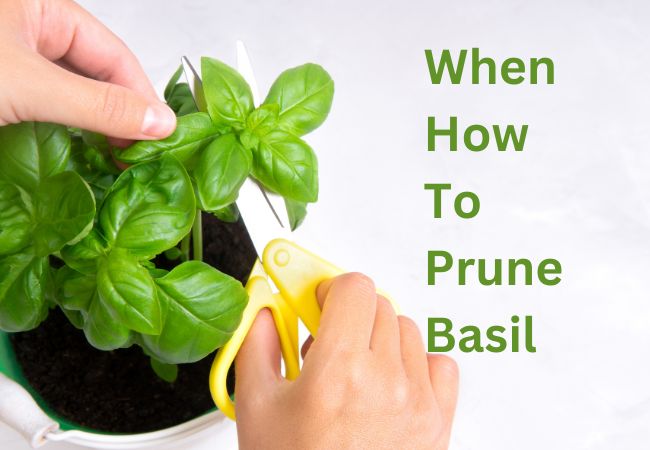
Cut-and-Come-Again: Use sharp scissors to snip outer leaves 1 inch above the soil, leaving the center intact to continue growing.
Full Harvest: For mature spinach, cut the entire plant just above soil level when it reaches 6–8 inches tall.
Storage: Store unwashed spinach in a paper towel-lined container in the fridge. Washing before storage can lead to early spoilage.
Common Problems and Solutions
Leggy Growth – Caused by too little light. Move plants closer to a light source or increase daily light hours.
Yellowing Leaves – Often a sign of nitrogen deficiency or overwatering. Feed plants and check drainage.
Bolting – Triggered by high temperatures, long daylight hours, or stress. Keep plants cool and harvest regularly to slow the process.
Fungal Problems – Improve airflow, water early in the day, and avoid wetting leaves to reduce mold risk.
Tips for Year-Round Indoor Spinach Success
Maintain a cool indoor growing temperature; too much heat is spinach’s biggest enemy indoors.
Keep a planting calendar and sow seeds in small batches every few weeks for a steady harvest.
Refresh soil between plantings or rotate to a new potting mix to avoid nutrient depletion and disease buildup.
Grow with companion plants like lettuce, radishes, or chives indoors to make efficient use of space.
Final Thoughts
With the right combination of variety selection and care, spinach can thrive indoors just as well as outdoors. You’ll enjoy the satisfaction of harvesting fresh greens within arm’s reach, no matter the weather or season.
After mastering the basics, I found out that I can tweak my setup to maximize leaf size, flavor, and yield year-round.
If you love gardening, subscribe to my newsletter to receive the latest posts. Also, follow me on Pinterest to see the latest pins.