21 Vegetables That Grow Well in the Shade


A surprising number of vegetables grow very well in shaded areas. Shade gardening is especially valuable in urban yards, small spaces, or gardens surrounded by trees, fences, or buildings.
Understanding Shade in the Garden
Types of Garden Shade
Full Shade
Areas classified as full shade receive less than three hours of direct sunlight per day, often occurring under dense tree canopies, beside tall buildings, or on the north side of structures.
Partial Shade
Partial shade areas receive between three and six hours of sunlight each day, often during the morning or late afternoon.
Partial shade is often found along the edges of tree lines, near fences, or in gardens where buildings cast shadows during part of the day.
Dappled Shade
Dappled shade occurs when sunlight filters through tree branches or other objects, creating a shifting pattern of light and shade throughout the day.
Gardens under tall trees with open canopies often provide dappled shade conditions that work well for leafy vegetables and herbs.
Best Leafy Greens for Shade
Many of these plants evolved in cooler environments and tolerate lower light levels very well.
Lettuce
Shade helps prevent lettuce leaves from wilting or becoming bitter during warm weather. Loose-leaf lettuce varieties tend to perform better in shade than head-forming varieties.
Lettuce can be harvested using the cut-and-come-again method, where outer leaves are harvested while the center continues growing.
Spinach
Spinach thrives in cool weather and prefers moist, fertile soil rich in organic matter. Partial shade protects spinach from heat stress and helps maintain the cooler temperatures that this plant prefers.
Shade helps slow the bolting process by reducing heat exposure, allowing spinach plants to remain leafy and productive for longer periods.
Swiss Chard
Although it grows fastest in full sun, chard still produces abundant leaves in partially shaded gardens. Its large leaves capture available sunlight efficiently, allowing the plant to thrive even with reduced light.
Gardeners can harvest outer leaves regularly while the center of the plant continues producing new growth.
Arugula
Its rapid growth makes it ideal for shady areas where plants may grow slightly slower. Even with limited sunlight, arugula can produce tender, flavorful leaves.
Arugula prefers cool temperatures and may bolt quickly when exposed to intense sunlight.
Kale
While it grows fastest in full sun, kale can still produce nutritious leaves in gardens receiving only a few hours of sunlight each day.
Partial shade can actually improve kale’s flavor by slowing growth slightly and reducing heat stress.
Root Vegetables That Tolerate Shade
Root vegetables can still grow in shaded gardens because the edible portion develops underground.
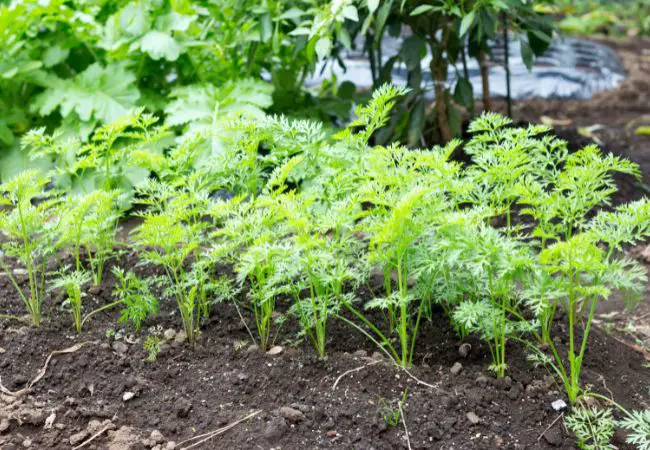
Carrots
Carrots grown in shade may take longer to mature and may produce slightly smaller roots.
However, the flavor is often excellent because slower growth allows sugars to develop gradually. Carrots require loose, well-drained soil free from stones or clumps.
Beets
Even if shade slightly reduces beet root size, the leaves can still be harvested and eaten like spinach or chard.
While they perform best with at least four hours of light per day, they can still produce acceptable harvests in shaded gardens.
Radishes
Radishes’ short growth cycle makes them ideal for shady gardens because they mature before low-light conditions significantly affect development.
They germinate quickly and grow well in cool conditions, making them an excellent choice for beginner gardeners in partially shaded areas.
Turnips
Turnips tolerate partial shade and grow well during cooler seasons. Although roots may develop slightly smaller in shaded conditions, they remain tender and flavorful.
Turnips provide two harvests in one plant. Gardeners can harvest the roots for cooking while also collecting the nutritious leaves.
Brassicas That Grow Well in Shade
Brassicas are cool-season crops that prefer moderate temperatures, making them well-suited for partial shade gardens.
Broccoli
Broccoli can tolerate partial shade, especially in warmer climates where intense sunlight may cause stress. Providing some shade during the hottest part of the day can help broccoli plants grow more steadily.
Cabbage
Cabbage grows best in cool weather and can tolerate partial shade. Shaded environments help keep temperatures lower, which supports steady head formation and prevents premature splitting.
Brussels Sprouts
Brussels sprouts require a long growing season but adapt well to moderate shade. Although plants may grow slightly slower in shaded areas, they still produce flavorful sprouts when given consistent moisture and fertile soil.
Mustard Greens
Mustard greens are fast-growing leafy vegetables that thrive in cooler environments.
They tolerate shade well and produce abundant leaves even with limited sunlight. Their slightly spicy flavor makes them a popular addition to salads and cooked dishes.
Herbs That Grow Well in Shade
Many herbs naturally grow in woodland environments and tolerate shade surprisingly well.
Mint
Mint grows vigorously in partially shaded areas where the soil remains moist. Shade can actually help prevent mint leaves from drying out or becoming stressed during hot weather.
Because mint spreads aggressively, growing it in containers is often recommended. Shaded patios or balconies provide excellent conditions for container-grown mint plants.
Parsley
Parsley grows slowly but steadily in shaded gardens. Its ability to tolerate reduced sunlight makes it a reliable herb for planting along shaded garden edges or beneath taller plants.
Chives
Chives are hardy perennial herbs that grow well in a wide range of conditions. They tolerate partial shade and continue producing flavorful leaves throughout the growing season.
Cilantro
Cilantro bolts quickly in hot weather, which can shorten its harvest period. Planting cilantro in shaded areas helps maintain cooler temperatures and delays the bolting process, allowing gardeners to harvest leaves for longer.
Fruiting Vegetables That Can Handle Partial Shade
While most fruiting vegetables prefer full sun, a few can tolerate partial shade with moderate success.
Peas
Peas grow best during cool weather and can tolerate partial shade. Shaded environments may even improve pea growth in warmer climates by preventing heat stress.
Beans
Bush beans require slightly less sunlight than climbing varieties. Although yields may be somewhat reduced, bush beans can still produce acceptable harvests in gardens receiving four to five hours of sunlight.
Cherry Tomatoes (Limited Shade)
Cherry tomatoes are among the most adaptable tomato varieties. While they prefer full sun, they may still produce fruit in partial shade if they receive at least four to six hours of sunlight each day.
Tips for Growing Vegetables Successfully in Shade
Choose Shade-Tolerant Crops: Selecting crops that naturally tolerate lower light conditions greatly improves success in shade gardens.
Improve Soil Quality: Healthy soil helps compensate for reduced sunlight. Add compost, aged manure, or organic matter.
Use Light-Colored Mulch: Light-colored mulches such as straw or pale wood chips reflect sunlight toward plants to increase the amount of available light in shaded garden beds.
Space Plants Properly: Overcrowded plants compete for limited light, water, and nutrients. Proper spacing allows each plant to receive as much light as possible.
Prune Overhanging Branches: If nearby trees cast heavy shade over garden beds, selective pruning can allow more sunlight to reach plants.
Common Problems When Growing Vegetables in Shade
Slower Growth: Vegetables grown in shade often take longer to mature. Gardeners should expect slightly extended growing times and plan planting schedules accordingly.
Reduced Harvest Size: Fruiting crops may produce fewer fruits when grown with limited sunlight. Focusing on leafy greens and shade-tolerant crops helps maintain productive harvests.
Increased Moisture: Shaded areas dry more slowly after rain or watering. While this can reduce watering needs, excessive moisture may encourage fungal diseases if air circulation is poor.
Leggy Growth: Plants grown in low-light conditions sometimes stretch toward available sunlight. Providing the brightest possible location and proper spacing helps reduce leggy growth.
Designing a Productive Shade Vegetable Garden
- Raised Beds for Shade Areas: Raised beds improve soil drainage and warm up faster in spring. This helps compensate for cooler temperatures often found in shaded gardens.
- Vertical Gardening: Trellises and vertical structures lift plants higher into available light. Climbing crops such as peas or beans can benefit from vertical supports in shaded gardens.
- Container Gardening: Containers allow gardeners to move plants into brighter areas when needed. This flexibility makes container gardening especially useful for partially shaded spaces.
- Companion Planting in Shade Gardens: Combining compatible crops helps maximize limited space and light.
My Final Thoughts
Growing vegetables in shade is entirely possible when the right crops and gardening techniques are used.
If you are interested in growing vegetables and flowers, consider subscribing to my newsletter. Additionally, follow me on Pinterest to discover more amazing pins.